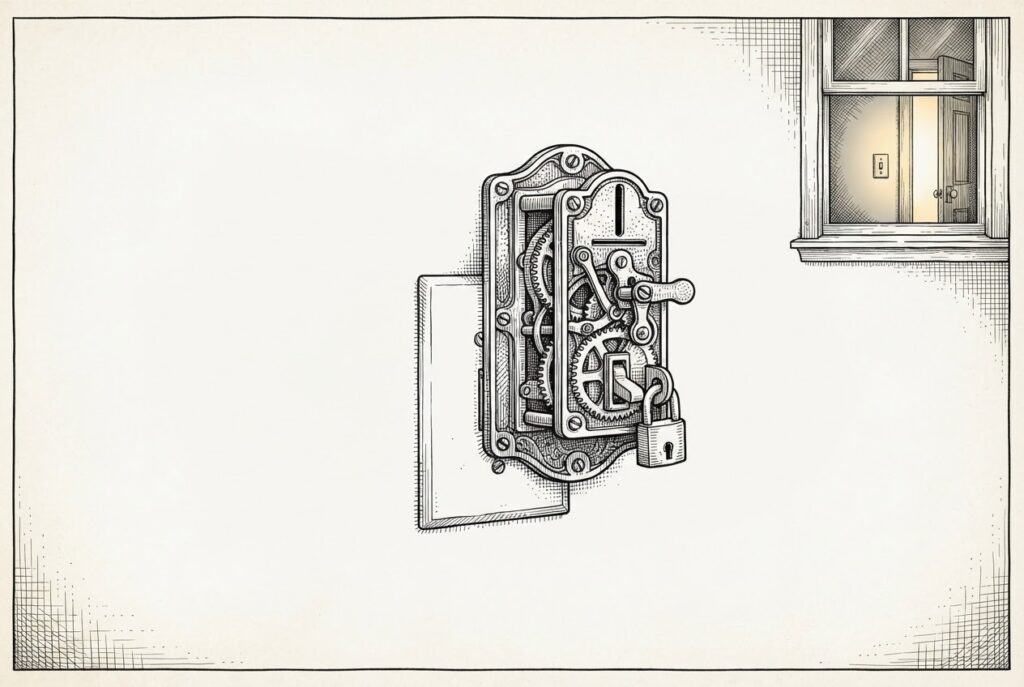
If you have ever spent a Saturday afternoon troubleshooting why your living room lights refuse to turn off, you know the specific, low-grade frustration of a smart home that stops being smart. Now, that frustration is a feature of a forced migration. Starting September 4, 2026, Google is pulling the plug on the classic Assistant across Android phones, tablets, and wearables. There is no opt-out, and once your Nest device is upgraded to Gemini for Home, there is no going back. You are effectively being moved into a new, less functional house, and if you want the lights to work properly again, you might find yourself reaching for your wallet.
Users are reporting that Gemini for Home is struggling with basic room-based lighting commands. Routines that worked for years are suddenly failing to trigger, leaving users staring at frozen screens or receiving the dreaded ‘that device does not exist’ error. It is a jarring experience when your home automation suddenly forgets where your kitchen is. While Google states they are rolling out fixes for these room-targeting issues, the damage to user trust is already done. This feels less like an upgrade and more like a forced march into a subscription model.
Google has introduced Google Home Premium, with a standard tier costing $10 a month or $100 a year. This subscription unlocks features like Gemini Live and Ask Home, which are being positioned as the solution to the very problems the migration created. This situation mirrors what we previously identified as a Permission Gap—a scenario where users are forced to give up a working, free service, only to be asked to pay for the privilege of having a functional assistant again. For those who cannot meet the hardware requirements, specifically the 2GB RAM and Android 9 minimum, the situation is even worse. They may end up with no assistant at all, effectively bricking the voice control features they paid for when they bought their devices.
The ecosystem is also fracturing in ways that make little sense for the average user. While your phone and home speakers are being pushed toward Gemini, Google Assistant will continue to exist in cars with Google built-in. You are now managing two different assistants, with different capabilities and different rules. Some features, like Interpreter Mode, have simply vanished in the move to Gemini, leaving users with less utility than they had a year ago. This decline in quality, coupled with forced data collection, has many wondering if this is just planned obsolescence in a new, AI-branded wrapper—a concern we have explored in our prior coverage on smart home trust.
If you are tired of being a beta tester for a company that treats your home as a revenue stream, there is a different path. The Home Assistant 2026.9 stable release, which arrived on September 2, 2026, offers a starkly different vision. It is free, open-source, and local-first. With its new Matter network map and a security dashboard that actually tells you why a device changed state, it prioritizes transparency over monetization. It does not care about your subscription status, and it certainly does not force you to upgrade to a broken version of itself.
Google is betting that you will pay $10 a month to fix the problems they created by removing the tools you already owned. Home Assistant is betting that you would rather have control over your own data and your own hardware. As we navigate this shift, the question is not just about which AI is smarter. It is about who owns the experience of living in your own home. When the lights go out, do you want to call a subscription service, or do you want to know exactly why the switch did not flip?