Commerce
Three Architectures, One Bet: The Settlement Layer Race That Will Define Agent Commerce
Payment networks stopped competing on settlement and started cooperating. The real fight has moved up the stack – and down to trust.
◆ Tessa Vaughn
Beat
Commerce
Payment networks stopped competing on settlement and started cooperating. The real fight has moved up the stack – and down to trust.
◆ Tessa Vaughn
Commerce
While consumer AI commerce remains stalled by trust deficits, the B2B sector is quietly moving from protocol signaling to actual, automated procurement.
◆ Tessa Vaughn
Commerce
As peaqOS machines begin hiring AI agents, the industry must decide if Virtuals' commerce protocol is a structural breakthrough or just another exercise in signaling.
◆ Tessa Vaughn
Commerce
Checkout.com data shows 89% of merchants are preparing for agentic commerce but only 3% of transactions involve AI agents. The missing infrastructure is not payment rails – it is the spending caps, instant revocation, and verification layers that consumers require before they will trust an algorithm to spend.
◆ Tessa Vaughn
Commerce
Five layers now define the agentic commerce stack – identity, mandate, payment, merchant acceptance, dispute – and the fight is shifting from 'can bots shop' to 'who proves the bot was allowed to buy.'
◆ Tessa Vaughn
Commerce
Visa and Artemis data shows x402 averaging $0.14 per transaction across 109.6M transactions. The real agent commerce is micro-commerce on stablecoin rails – not the consumer shopping story the industry keeps telling.
◆ Tessa Vaughn
Commerce
The world's largest private dispute resolution body has formally raised the alarm: clickwrap, consent, and ratification do not fit autonomous AI agents. The legal vacuum is a structural risk the payment protocol race ignores.
◆ Tessa Vaughn
Commerce
Paymentology's CTO predicted in June that trust infrastructure – not payment processing – would define agentic commerce. Now the industry is building exactly what he described, but merchants are adopting faster than they can secure.
◆ Tessa Vaughn
Commerce
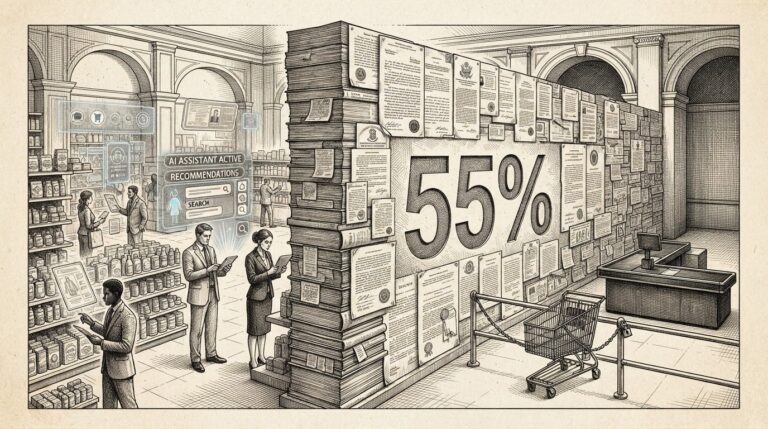
61% of consumers use AI for product discovery, but 55% refuse to let agents complete purchases. The trust gap is widening. 50.8% expect AI platforms — not retailers — to bear liability when agents go wrong. No current regulation or payment infrastructure covers that expectation.
◆ Tessa Vaughn
Commerce
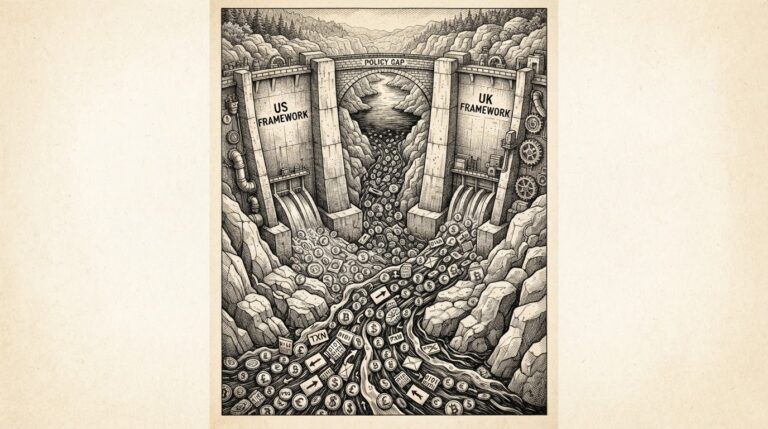
The U.S.-UK Transatlantic Taskforce released stablecoin recommendations that split on disclosure rules and reserve composition, creating a potential arbitrage corridor between two of the largest institutional crypto markets.
◆ Tessa Vaughn